Comparte experiencias en la cinematografía

El Nuevo Día

Por Leyra E. González

December 1, 2006


CLICK HERE FOR THE ENGLISH VERSION OF THIS ARTICLE


  Back to Articles  


El actor reflexionó sobre la situación de la industria de cine local y aseguró que le gustaría poder llevar a cabo proyectos en la Isla

Según Del Toro, se está produciendo más material cinematográfico en Puerto Rico que en el momento cuando él comenzó en la actuación.

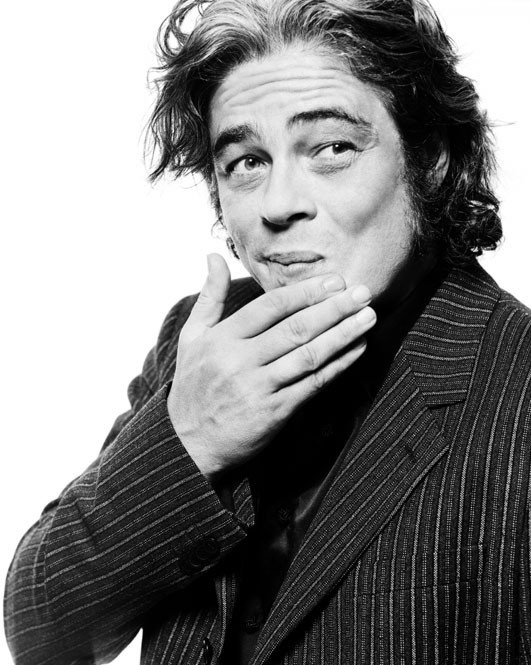
El actor Benicio del Toro participó ayer en un conversatorio con estudiantes del recinto de Río Piedras de la Universidad de Puerto Rico en el que habló sobre su experiencia en la industria del cine y reflexionó sobre la situación local.

En la actividad, realizada en el salón de actos de la escuela de Comunicaciones Públicas, también participaron, entre otros, Carlos Ruiz y Mariem Pérez, cuyo filme “Maldeamores” cuenta en sus créditos con Del Toro como productor ejecutivo.

La conversación entre los cerca de 100 estudiantes y los cineastas abordó temas como la realidad de la industria del cine local, los costos de producir cine en la Isla y cómo las nuevas tecnologías han incidido para beneficio de quienes no cesan en su intento por producir aquí.

“Me he dado cuenta de que hay más interés que cuando era joven y que hay talento en todos lados. Pero hacer una película no es fácil. Requiere tiempo y dedicación”, dijo Del Toro a la pregunta de qué le parecía el estado de la industria local, formulada por uno de los estudiantes.

“Se está haciendo más ahora que cuando yo empecé (a trabajar como actor)”, añadió el ganador de un Oscar por la cinta “Traffic”, quien sostuvo que ha disfrutado más trabajar en producciones independientes, aunque “todas han sido grandes experiencias”.

Entre las inquietudes de la audiencia destacó en qué medida el Gobierno facilita o no el trabajo de producción. Ruiz señaló que gran parte de su película se realizó con ayuda del fondo cinematográfico de la Corporación de Cine de Puerto Rico y ayuda del Departamento del Trabajo, además de una empresa extranjera llamada Buena Onda Films. Por lo que en ese sentido sí había recibido apoyo estatal.

El joven director indicó que ocho cineastas han podido realizar sus proyectos con fondos del Gobierno. Sobre si planifica involucrarse más en proyectos locales, Del Toro indicó que por ahora “entré por la puerta chiquita”, como productor de “Maldeamores”. La cantidad de compromisos actuales se lo impiden, pero afirmó que después le gustaría concretar proyectos aquí.

El ambiente que permeó en el encuentro, que duró poco más de una hora, fue alegre. Benicio compartió de buena gana con los universitarios, a quienes firmó autógrafos, se retrató con ellos. A quienes interesan seguir una carrera fílmica, Del Toro aconsejó “concluir la escuela de actuación” y estudiar mucho, sobre todo cada aspecto vinculado al cine.


Top


Top


BELOW IS THE ENGLISH VERSION OF THIS ARTICLE

(as translated electronically)


Sharing experiences in the cinematography
El Nuevo Día

By Leyra E. González

1 Diciembre 2006


The actor reflected on the situation of the industry of local cinema and assured that he would like to be able to carry out projects on the Island.


According to Del Toro, more cinematographic material is taking place in Puerto Rico than at the moment when he began his career.


Actor Benicio del Toro participated yesterday in conversatorio with students of the enclosure Río Piedras of the University of Puerto Rico in which he spoke about his experiences in the industry of cinema and reflected on the local situation.


In the activity, held in the assembly hall of the school of Public Communications, there participated, among others, Carlos Ruiz and Mariem Perez, whose film “Maldeamores” counts in its credits Del Toro as executive producer.


The conversation between about 100 students and film directors approached subjects like the reality of the industry of the local cinema, the costs of producing cinema on the Island and how the new technologies have affected to benefit those who do not stop in their attempts of producing here.


“I have realized that there is more interest than when I was young and that there is talent in all sides. But to make a film is not easy. It requires time and dedication”, said Del Toro to the question of what seems to him the state of the local industry, formulated by one of the students.


“More is being made now than when I began (to work as an actor)”, added the winner of an Oscar for the film “Traffic”, that maintained that he has enjoyed more to work on independent productions, although “all have been great experiences”.


Between the restlessness of the hearing he emphasized to what extent the Government facilitates or not the work of production. Ruiz indicated that great part of his film was made with the help of the cinematographic bottom of the Corporation of Cinema of Puerto Rico and with aid of the Department of the Work, in addition to a foreign company called Good Wave Films. Reason why in that sense yes he had received state support.


The young director indicated that eight film directors have been able to make their projects with bottoms of the Government. On if he plans to become involved more in local projects, Del Toro indicated that so far “I entered by the very small door”, as a producer of “Maldeamores”. The amount of present commitments prevents it, but he affirmed that later he would like to make specific projects here.


The atmosphere that permeó in the encounter, that lasted a little more than one hour, was glad. Benicio shared willingly with the college students, to those who he signed autographs, was photographed with them. To those who are interested to follow a film career, Del Toro advised “to conclude the performance school” and to study much, mainly each tie aspect to the cinema.


Top


Top


Top


  Back to Articles